
Need Blue Art Tours Help?
Mailing List
Sign up for our mailing list to get latest updates and offers.
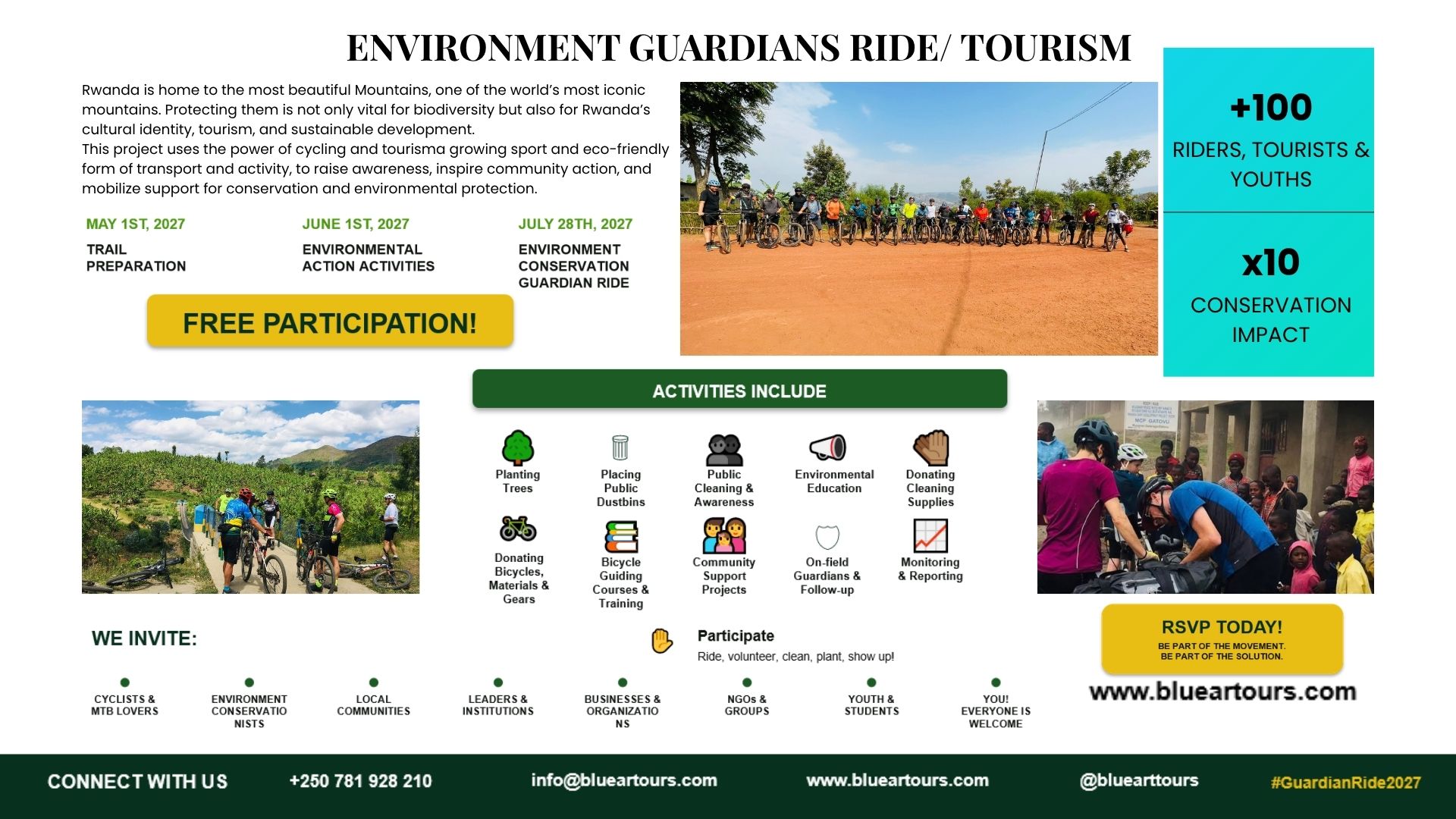
Join us in protecting Rwanda's MTB trails. We ride on world Nature Conservation Day celebrated every year on July 28th to raise awareness about protecting Earth's natural resources and promoting sustainable habits. Sign up for our next conservation ride and help preserve the trails you love to explore.
Environment Conservation Guardian Ride — July 28th, 2027. Be part of history from day one.
Queen Elizabeth National Park is a vast savannah and wetland reserve in western Uganda, stretching across the Albertine Rift Valley between Lakes Edward and George. Renowned for its striking scenery and rich biodiversity, it is Uganda’s most visited national park and a UNESCO Biosphere Reserve.
Established: 1952 (renamed in 1954 for Queen Elizabeth II)
Area: 1,978 km²
Location: Western Uganda (Kasese, Kamwenge, Bushenyi & Rukungiri Districts)
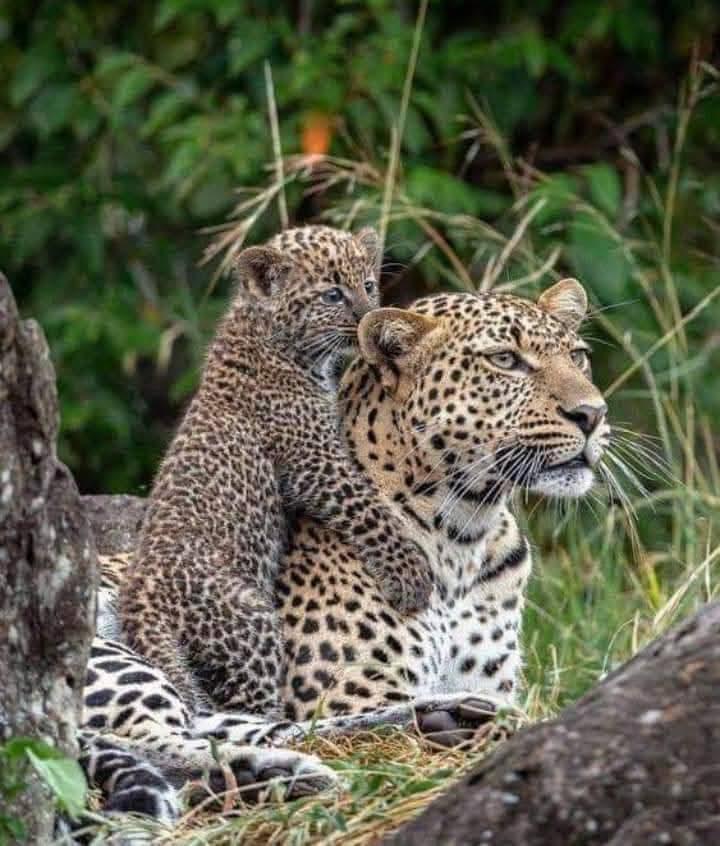
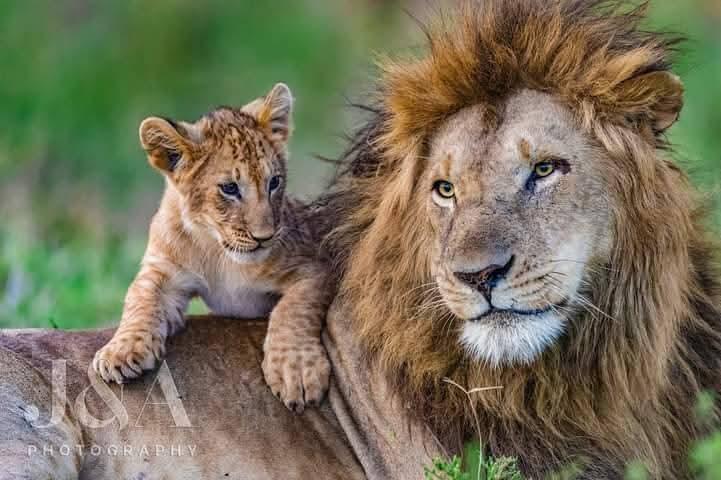
Wildlife: 95 mammal species, 600 + bird species
Elevation: 910 m – 1,350 m above sea level
The park’s terrain encompasses open savannah, tropical forests, crater lakes, and papyrus swamps set against the snowcapped Rwenzori Mountains. It lies along the equator, marked by twin monuments where the line crosses the park. The Kazinga Channel links its two major lakes, sustaining one of Africa’s highest concentrations of hippos.
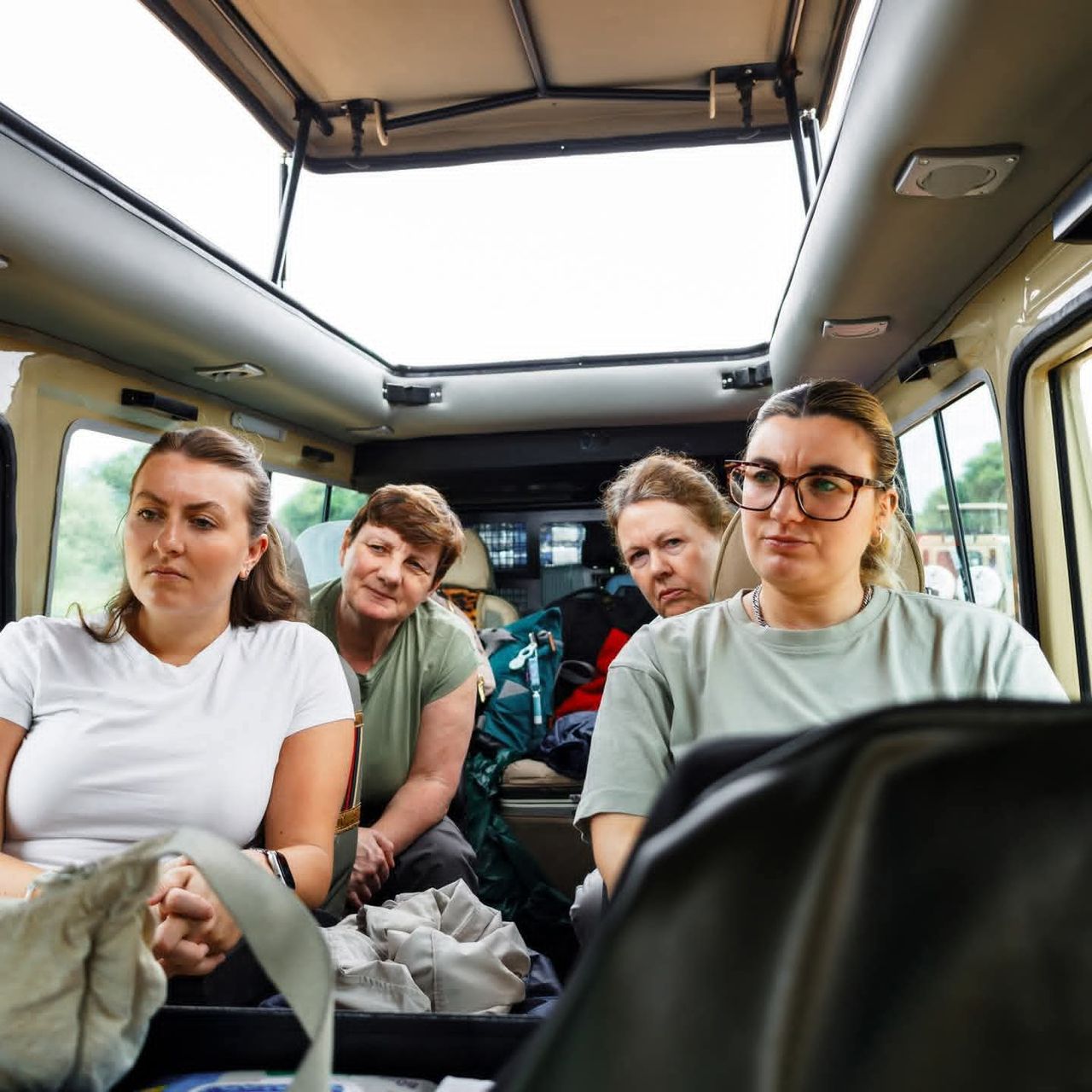
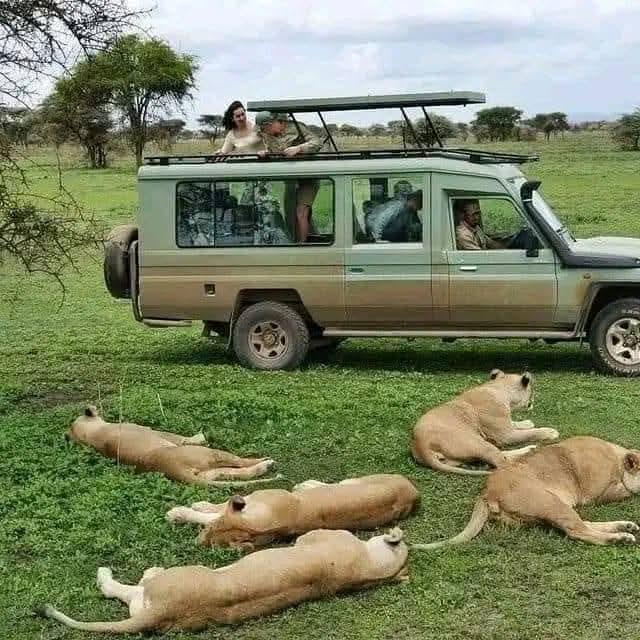
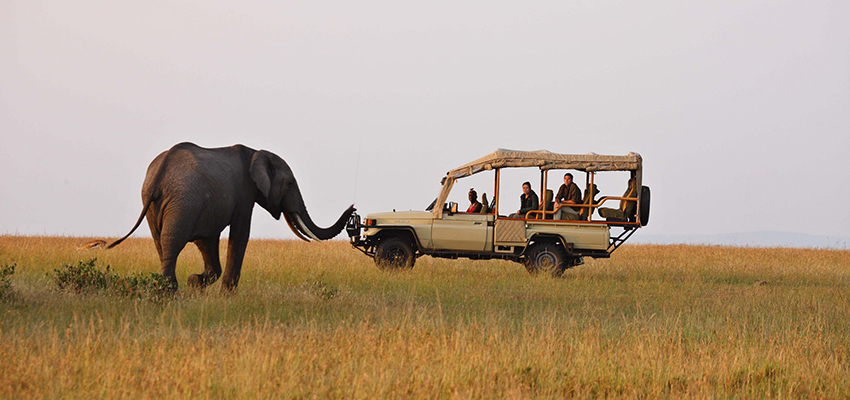
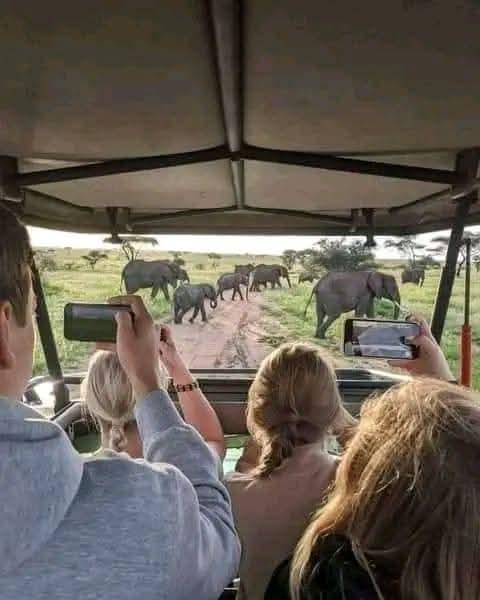
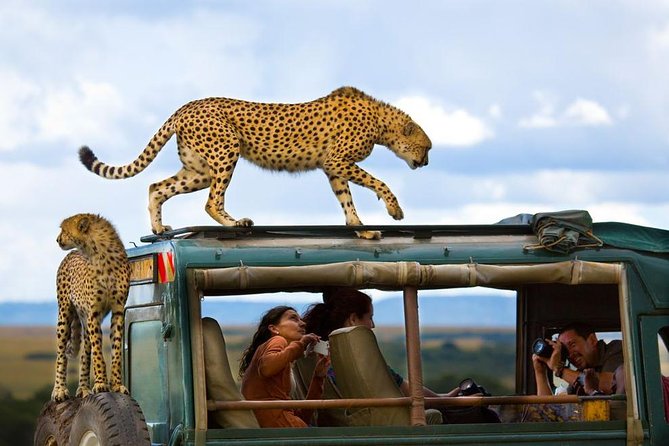
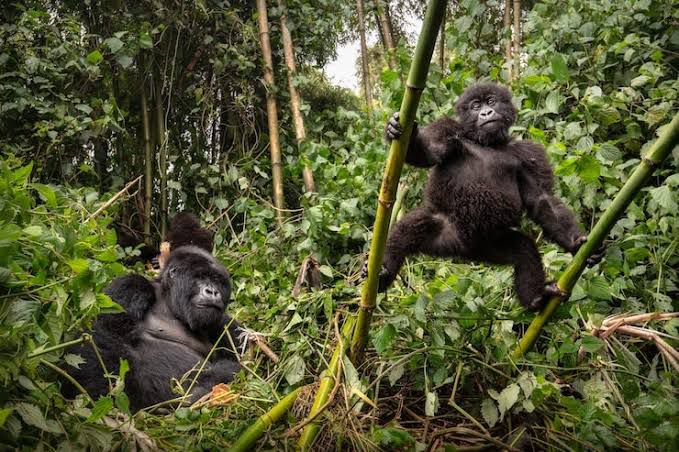
Safaris feature dawn and dusk game drives across the Kasenyi Plains, boat cruises on the Kazinga Channel, chimpanzee tracking, and hot-air-balloon rides. Nature walks in Maramagambo Forest reveal bats, pythons, and forest birds, while the crater-lake drive and Katwe Salt Lake offer scenic and cultural insights into traditional salt mining.
Fill the form below and we'll get back to you
WhatsApp: +250 781 928 210
Email: info@blueartours.com
© 2026 Blue Art Tours. All rights reserved
Blue Art Tours
