
Need Blue Art Tours Help?
Mailing List
Sign up for our mailing list to get latest updates and offers.
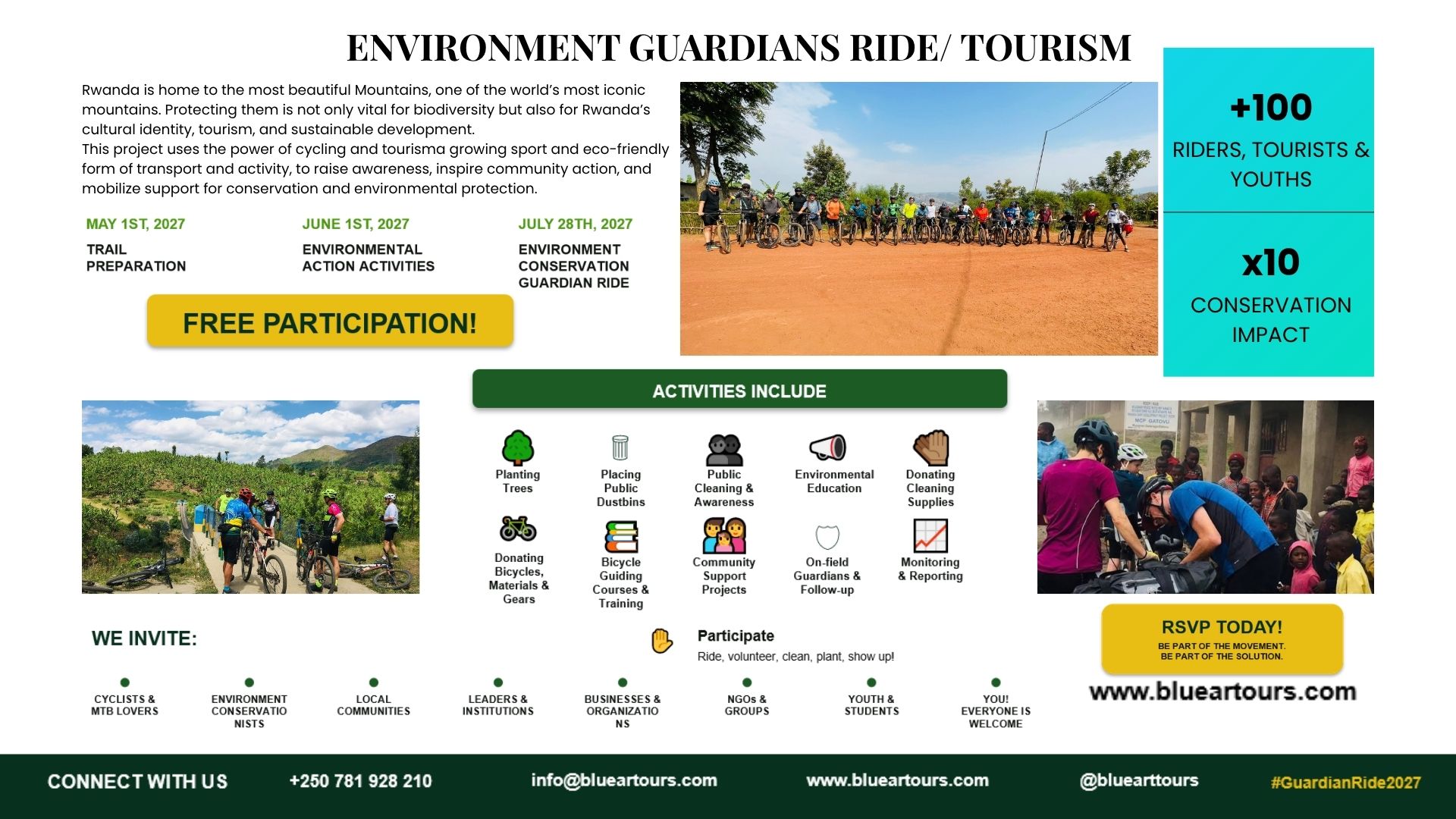
Join us in protecting Rwanda's MTB trails. We ride on world Nature Conservation Day celebrated every year on July 28th to raise awareness about protecting Earth's natural resources and promoting sustainable habits. Sign up for our next conservation ride and help preserve the trails you love to explore.
Environment Conservation Guardian Ride — July 28th, 2027. Be part of history from day one.
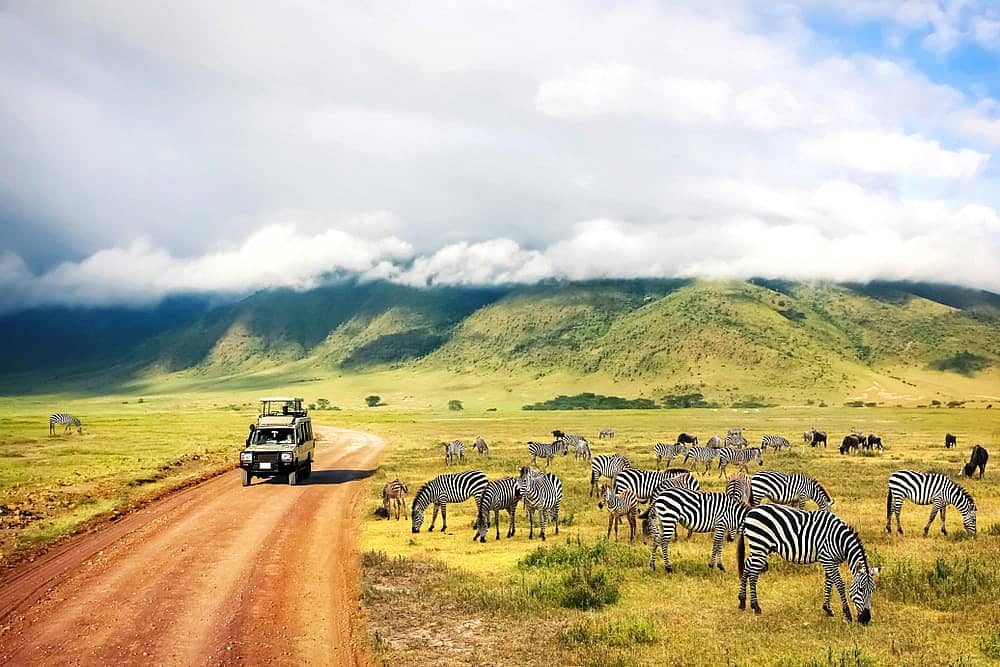
Every year, in one of nature's most extraordinary acts of instinct and survival, over two million wildebeest, zebra, and gazelle begin a relentless, circular journey across the vast plains of the Serengeti and into Kenya's Maasai Mara — and back again. No beginning. No end. Just an ancient, unstoppable pulse of life that has beaten across these plains for millions of years.
This is the Great Migration — and witnessing it is one of the most humbling, breathtaking, and utterly unforgettable experiences a human being can have on this planet. The sheer scale of it defies description. The sound alone — the thundering hooves, the grunting, the dust rising in clouds above the horizon — will stop you in your tracks and take your breath completely away.
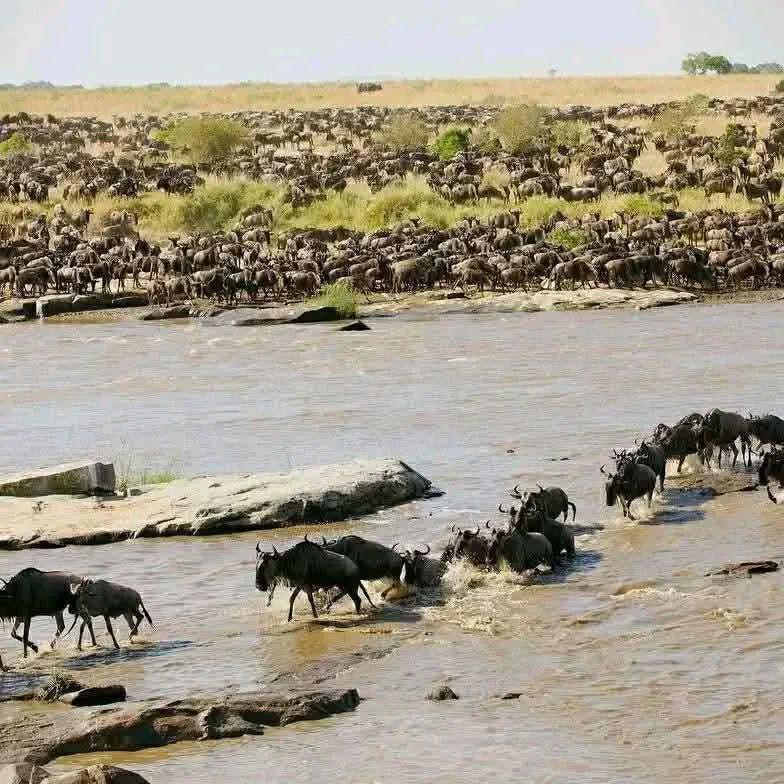
The undisputed highlight of the migration is the Mara River crossing — one of the most dramatic and heart-pounding scenes in all of the natural world. Tens of thousands of wildebeest gather nervously at the riverbank, working up the courage to plunge into the churning, crocodile-filled waters below. Some make it. Some don't. It is raw, primal, and utterly real — nature at its most honest and its most powerful.
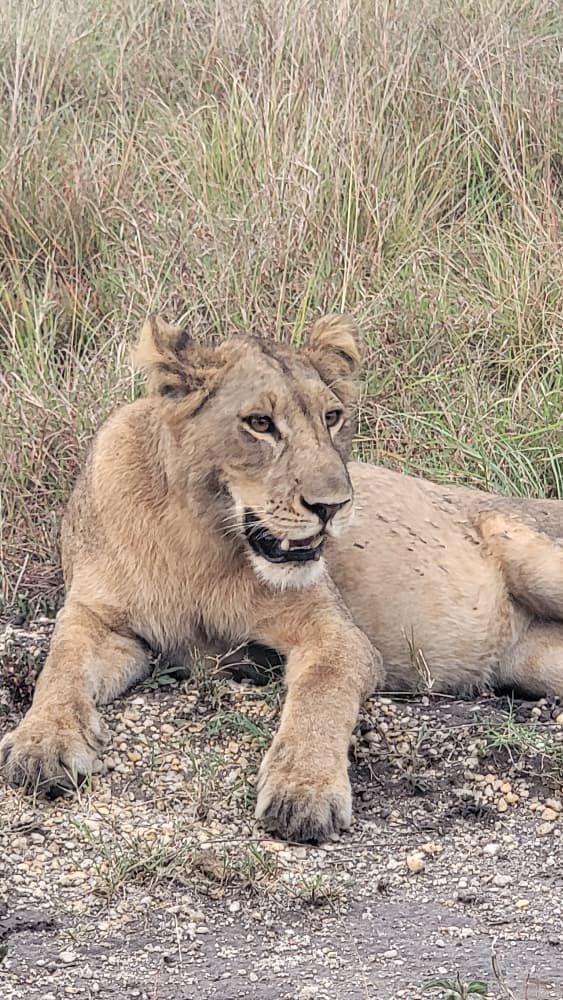
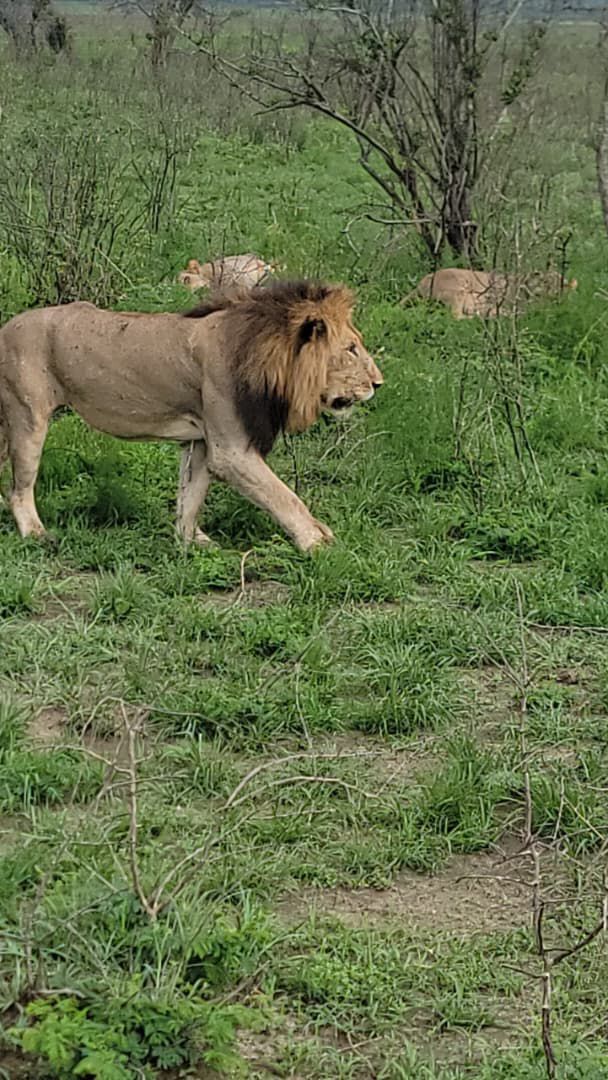
And following every step of this great procession are the predators — lions, cheetahs, leopards, hyenas, and wild dogs — all capitalising on the abundance the migration brings. The Serengeti during migration season is Africa's greatest predator arena, and every game drive delivers a new chapter of action, drama, and jaw-dropping wildlife encounters.
The migration calendar — where to be & when
Calving season — Southern Serengeti
Around 500,000 wildebeest calves are born in just a few weeks on the Ndutu plains. Predator action is explosive and the plains are full of life.
The long march north — Central Serengeti
The herds begin moving northward through the central Serengeti in a vast, thundering column. The landscape turns lush and green — dramatically beautiful.
The river crossings — Northern Serengeti & Maasai Mara
Peak season. The legendary Mara River crossings unfold in heart-stopping drama. This is the moment most visitors come to witness — and it never disappoints.
The return south — Eastern Serengeti
The herds turn south again, crossing back into Tanzania as the short rains arrive. The cycle begins anew — ancient, unstoppable, and awe-inspiring.
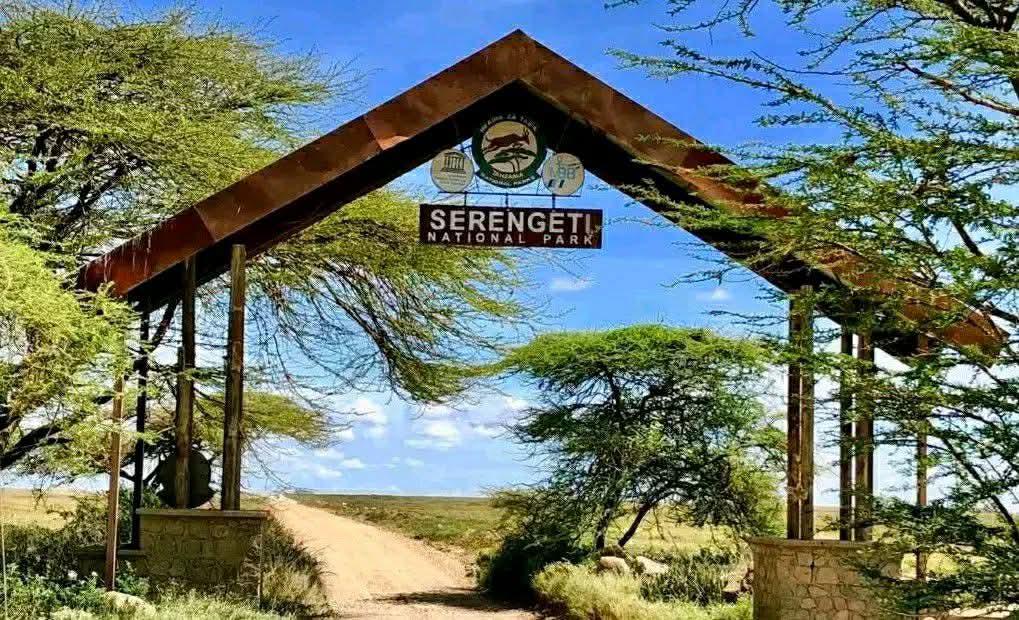
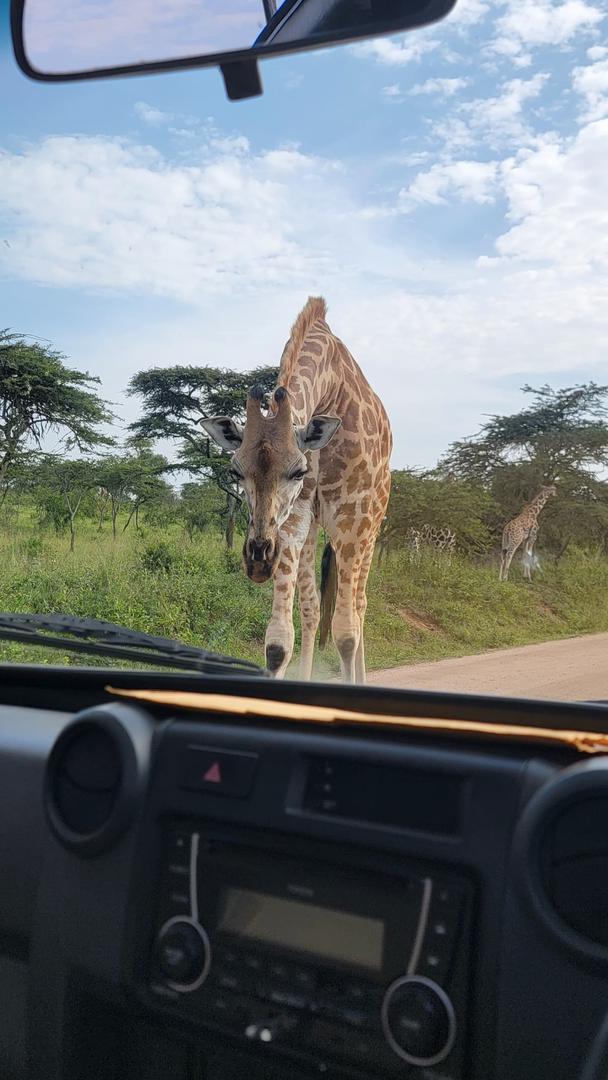
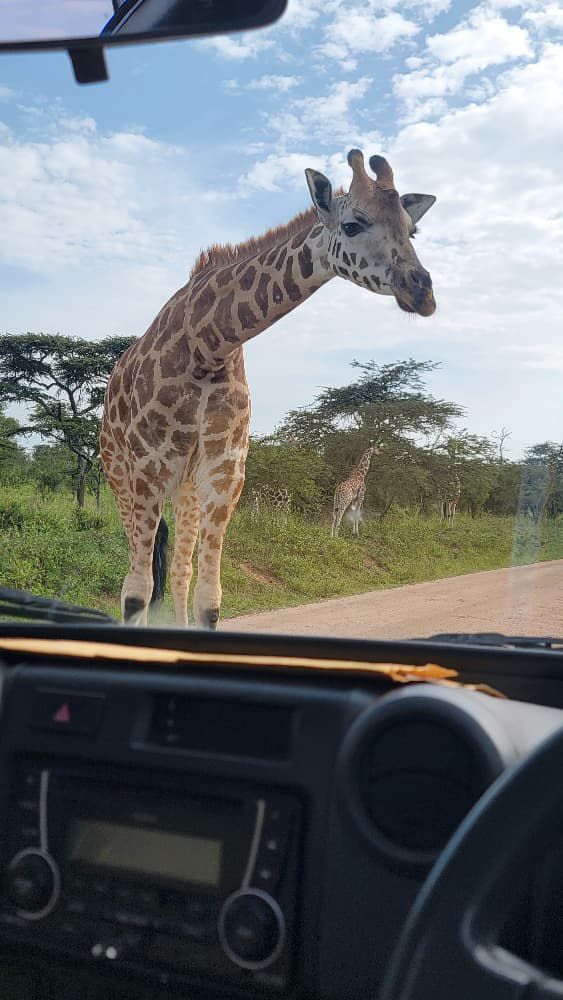
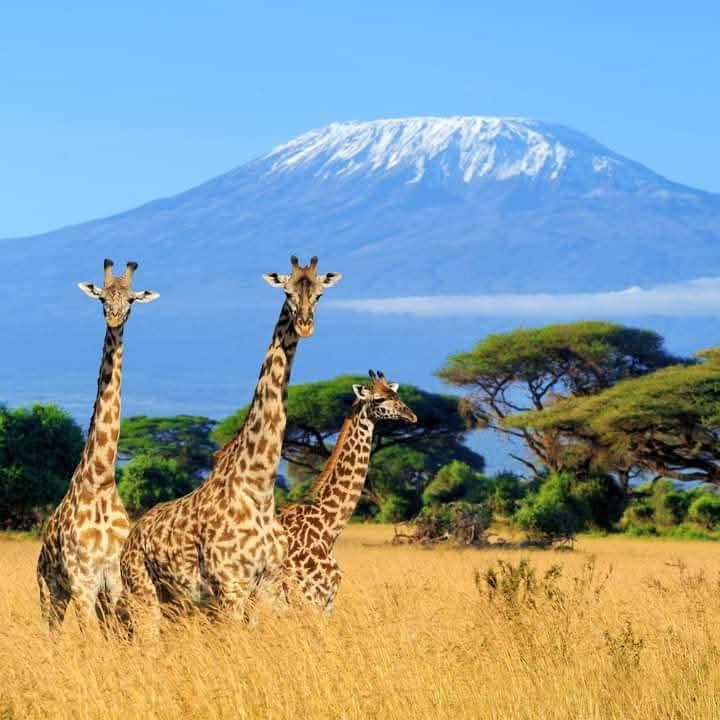
🐾 Activities: Pick-up from airstrip or lodge Scenic transfer through the Serengeti plains Afternoon game drive 🌅 Experience: Your adventure begins as you enter the endless golden plains of the Serengeti. Expect early sightings of zebras, giraffes, elephants, and possibly lions. 🛏️ Overnight: Safari lodge or tented camp in Central Serengeti (Seronera region)
🐾 Activities: Morning and afternoon game drives Optional sunrise safari (highly recommended) 🐘 Experience: The Seronera region is rich in wildlife year-round. Guests will have strong chances of seeing: Lions, leopards, cheetahs Large elephant herds Hippos along the Seronera River 📸 Highlight: This is one of the best areas for predator action and photography. 🛏️ Overnight: Same lodge/camp
(Program varies depending on season) 🐾 Option A: Great Migration (Seasonal) Travel to migration zones (Northern or Southern Serengeti) Witness wildebeest herds, river crossings (seasonal) 🐾 Option B: Extended Game Drives Explore deeper into less crowded areas Visit kopjes (rock formations) where predators rest 🌄 Experience: A more exclusive, off-the-beaten-path safari day. This is where guests feel the raw, untouched wilderness. 🛏️ Overnight: Safari lodge or tented camp
🐾 Activities: Early morning game drive (best time for predators) Breakfast at camp Transfer to airstrip for departure 🌅 Experience: Final moments in the Serengeti—often the most magical, with golden light and active wildlife.
The Great Migration is the largest overland wildlife movement on earth — over two million wildebeest, zebra, and gazelle travel in a continuous circular loop across Tanzania's Serengeti and Kenya's Maasai Mara in search of fresh grazing and water. It happens year-round and is driven entirely by rainfall and instinct, following a route that has remained unchanged for thousands of years.
The migration offers something spectacular in every month. However, the most dramatic and sought-after moment is the Mara River crossing, which peaks between July and October. January to March is equally thrilling for calving season in the southern Serengeti, when around 500,000 calves are born and predator activity reaches fever pitch.
River crossings cannot be guaranteed as they are entirely controlled by nature — the wildebeest decide when and where to cross based on instinct. However, during peak season (July–October), crossings happen regularly and our expert guides are in constant contact with ranger networks to position you at the right spot at the right time. Patience is always rewarded.
We recommend a minimum of 3 nights and 4 days in the Serengeti to do justice to the migration experience. Five to seven days allows you to follow the herds more deeply, explore different zones of the park, and dramatically increases your chances of witnessing a river crossing. The longer you stay, the more the Serengeti reveals.
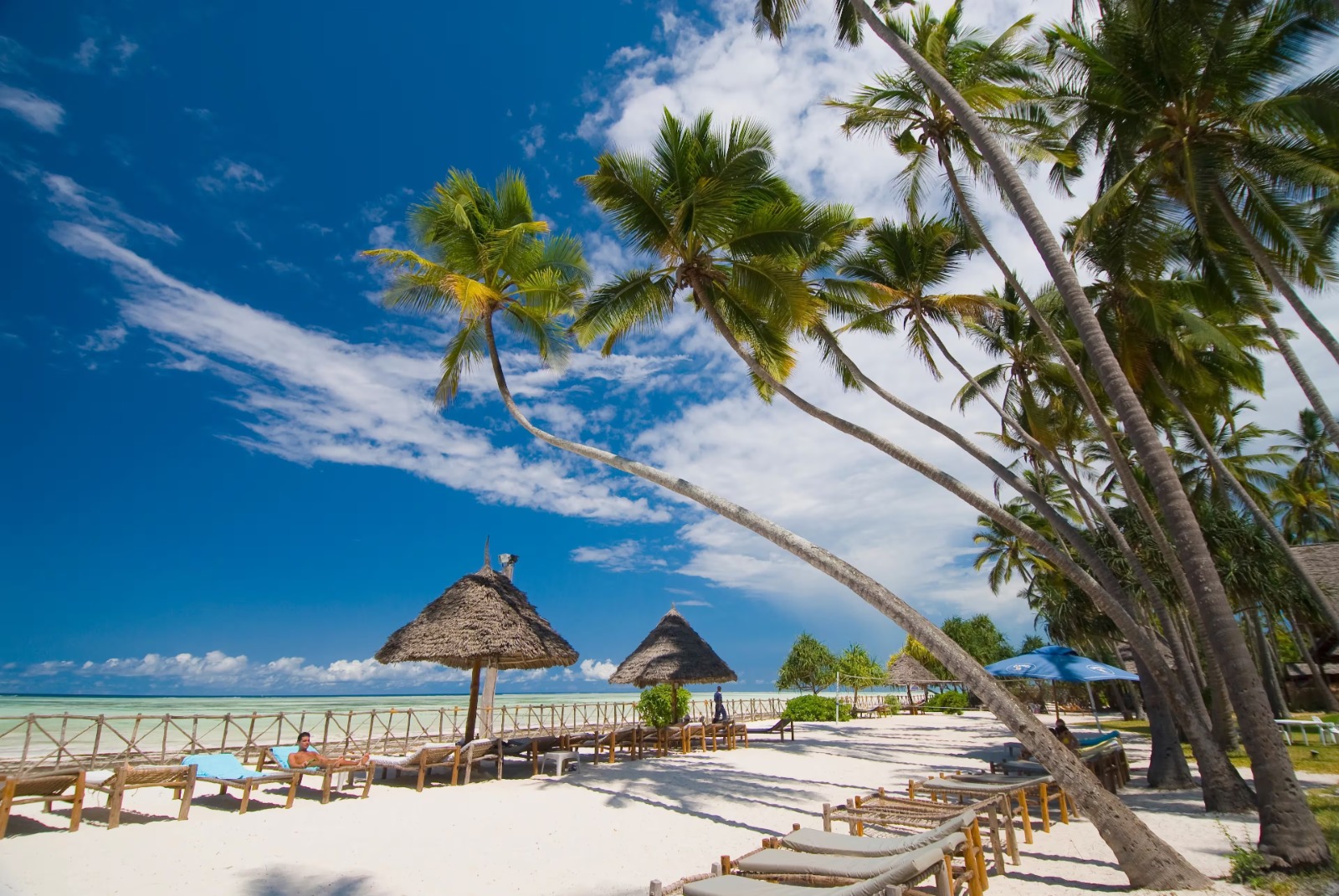
Absolutely — and we highly recommend it. The Serengeti pairs perfectly with Ngorongoro Crater and Tarangire National Park for the ultimate Tanzania safari circuit. Add Zanzibar at the end for a beach finale, or cross into Kenya's Maasai Mara during peak season to follow the herds across the border. We specialise in seamless multi-destination safari itineraries.
Fill the form below and we'll get back to you
WhatsApp: +250 781 928 210
Email: info@blueartours.com
© 2026 Blue Art Tours. All rights reserved
Blue Art Tours
